Mobile Website Optimization Can Make or Break PPC Performance
When someone clicks a paid search ad from a phone, the website has a small window to earn trust and guide the visitor toward action. A slow mobile page, confusing layout, hidden phone number, or difficult form can waste a valuable click before the campaign has a chance to convert.
Mobile optimization is not only a web design issue. It directly affects PPC performance, Google Ads landing page experience, conversion rates, cost efficiency, and the return on paid media. For companies investing in PPC management, the landing page needs to support the ad strategy from the first tap.
PPC Force helps businesses connect paid traffic with stronger mobile experiences so Google Ads campaigns are not sending high-value clicks to pages that are too slow, cluttered, or difficult to use.
Mobile Visitors Decide Quickly
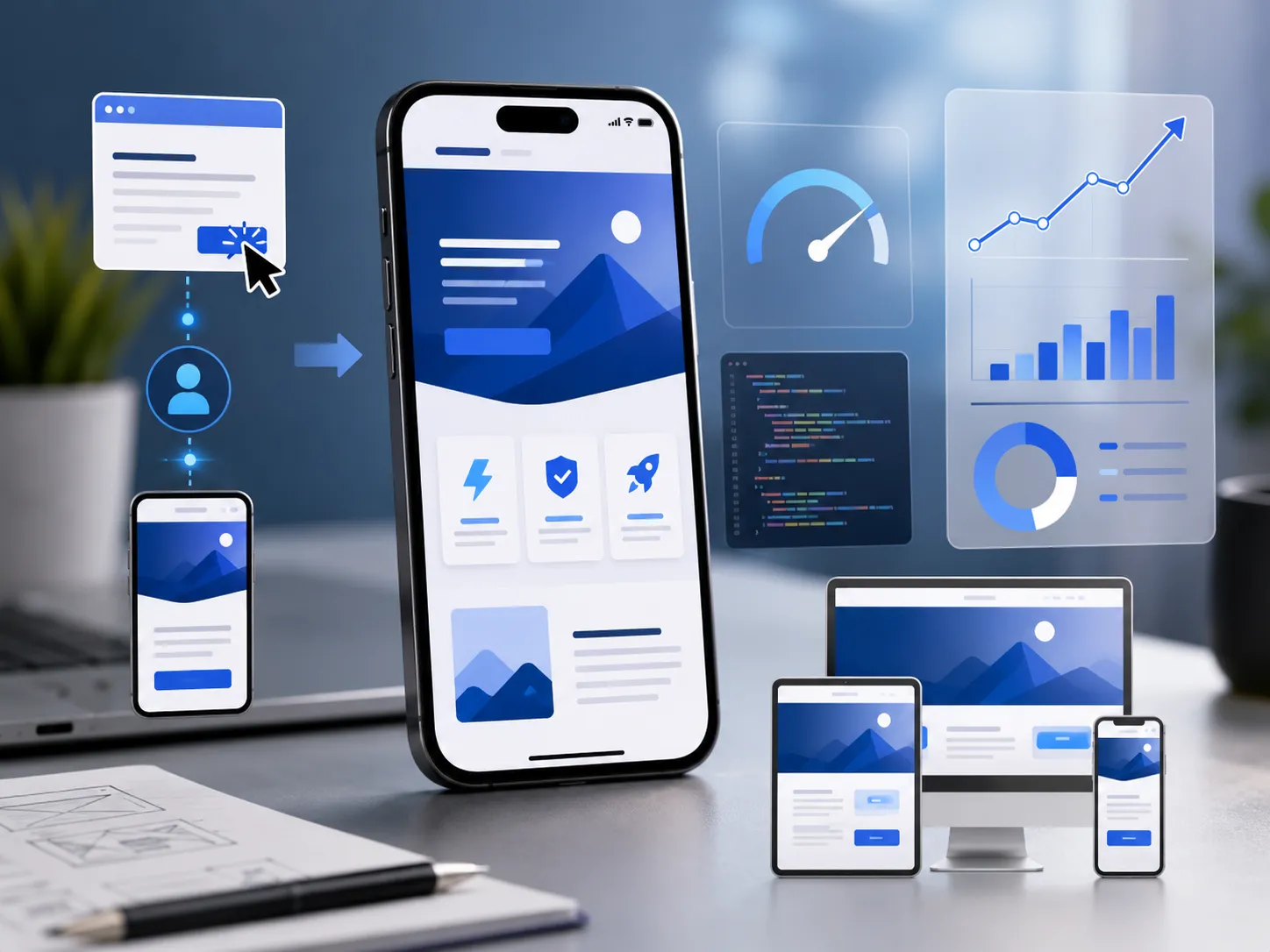
A paid click from a mobile device should lead to a page that loads fast, explains the offer clearly, and makes it easy to call, request help, or continue the conversation.
Why Mobile PPC Traffic Needs a Better Landing Page Experience
PPC campaigns are built around intent. A searcher clicks because the ad seems relevant to what they need in that moment. If the mobile landing page does not match that intent, the visitor may leave before taking action. This can make a campaign look weaker even when the keywords, ad copy, and targeting are doing their job.
A good mobile PPC page should reduce friction. The headline should connect to the ad. The content should answer the search quickly. The call to action should be visible without forcing the visitor to search for it. The page should also make it easy to tap the phone number, reach #contact, or move through the next step without unnecessary distractions.
For paid search campaigns, the website is part of the media spend. A business can improve pay per click advertising results by improving the mobile page that receives the traffic.
Page Speed Affects More Than User Patience
Slow mobile pages can reduce the value of PPC traffic. When a user has to wait too long, the visit can end before the page ever has a chance to explain the service, display proof, or show the call to action. That means the campaign pays for the click without receiving a fair conversion opportunity.
Speed also affects how professional the business feels. A mobile user may assume a slow or unstable page reflects the quality of the service behind it. For competitive PPC services, this matters because the searcher may have several companies open at the same time.
Faster Pages Help Paid Traffic Work Harder
Improving mobile page speed gives more visitors a chance to engage with the page, understand the offer, and take action before they leave.
Mobile Optimization and Google Ads Quality Score
Google Ads looks at the connection between the search, the ad, and the landing page experience. A mobile page that is relevant, easy to use, and aligned with the ad message can support a stronger campaign foundation.
When the landing page is slow, difficult to navigate, or disconnected from the keyword, the campaign may struggle to turn paid traffic into meaningful results. This is why mobile landing page optimization should be part of PPC management from the start, not something reviewed only after performance drops.
Better Experience Can Support Better Efficiency
A better mobile landing page can help paid search campaigns compete more efficiently by improving relevance, usability, and conversion potential. It will not fix every PPC issue, but it can remove one of the most common barriers between the click and the lead.
A Mobile PPC Page Should Be Built Around the Next Action
A mobile visitor should not have to guess what to do next. If the campaign is designed to generate calls, the phone number should be easy to tap. If the campaign is designed to generate form submissions, the form should be easy to reach and simple to complete. If the campaign promotes a consultation, the page should quickly explain why that consultation is worth requesting.
This is where conversion rate optimization becomes important. CRO focuses on removing friction from the path between visit and conversion. On mobile, that path needs to be especially clear because the screen is smaller and the user’s attention is often limited.
Every Tap Should Feel Obvious
Tap-to-call buttons, simple form fields, clear headings, readable spacing, and visible calls to action all help paid visitors move forward. For mobile users, ease of use can be the difference between a lead and a bounce.
Calls should use 619-389-2122 so visitors can connect quickly from their phones.
Core Web Vitals Matter for Paid and Organic Traffic
Core Web Vitals are often discussed in the context of SEO, but the same user experience issues can affect PPC campaigns. A page that loads slowly, shifts while loading, or responds poorly to user input can frustrate paid visitors before they convert.
Improving mobile performance can support both search engine optimization and paid media results. Faster, cleaner pages help organic visitors and paid search visitors get to the information they need without unnecessary friction.
Web Design and PPC Should Work Together
A website that looks good on desktop can still underperform on mobile. For PPC, the mobile layout needs to support the ad promise, not just shrink the desktop design into a smaller screen.
Strong web design helps paid campaigns by making the page easier to read, easier to trust, and easier to act on. This includes responsive layouts, readable text, simple navigation, visible calls to action, optimized images, and forms that are not frustrating to complete from a phone.
For businesses paying for clicks, mobile design should be judged by how well it supports the campaign goal. A page may look polished, but if visitors are not calling, submitting the form, or reaching the right information, the design still needs improvement.
Good PPC landing pages are focused. They do not try to answer every possible question at once. They help the user understand the offer, feel confident enough to continue, and reach the next step without delay.
Track the Mobile Funnel After the Click
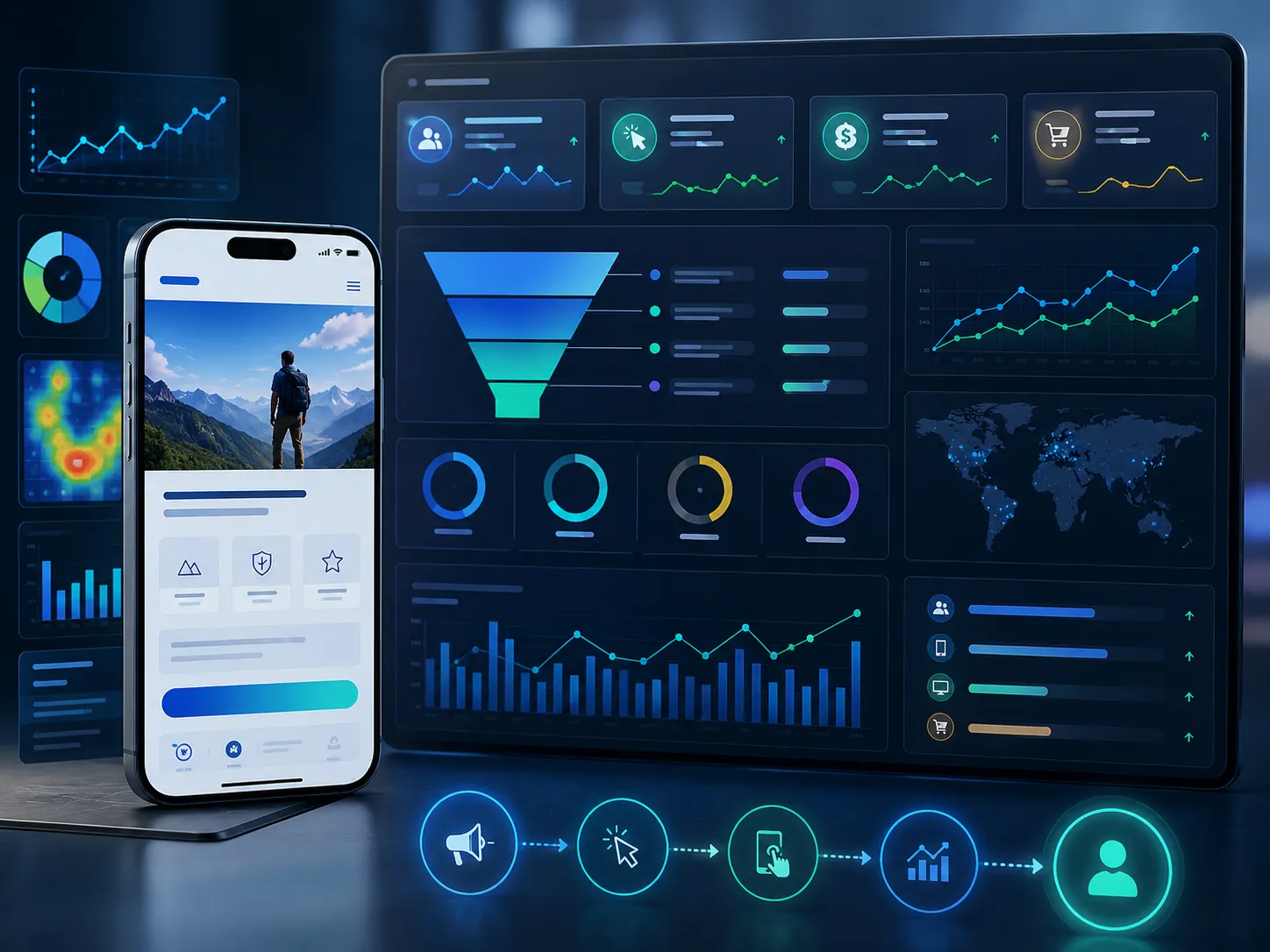
Mobile optimization should be measured by what happens after paid visitors reach the site. Businesses should review calls, form submissions, tap-to-call actions, scroll behavior, landing page conversion rate, and how many leads become real opportunities.
A clean data strategy can show whether a PPC campaign is losing value because of traffic quality, page speed, mobile layout, weak calls to action, or poor follow-up. Without tracking, it is easy to blame the wrong part of the funnel.
For PPC management, this data can guide better decisions. Sometimes the next improvement is not a new keyword or a higher bid. It may be a faster mobile page, a clearer call button, a shorter form, better analytics, or a stronger landing page message.
Mobile Optimization Helps Make PPC More Cost Efficient
PPC costs can rise quickly when landing pages do not convert. A campaign may generate clicks, but if mobile visitors leave because the page is slow or hard to use, the cost per lead can increase. Better mobile optimization helps more of the existing traffic become calls, form submissions, and qualified opportunities.
This is especially important for competitive industries where paid search clicks are expensive. A business does not always need more traffic first. It may need a better mobile experience for the traffic it already receives.
A coordinated paid media advertising strategy should connect ad copy, keyword intent, landing page design, mobile usability, tracking, and follow-up so each part of the campaign supports the same conversion goal.
More Conversions From the Same Spend
A better mobile landing page can help the same PPC budget produce stronger results by reducing wasted visits and improving the path to conversion.
Make Mobile Optimization Part of PPC Strategy
Mobile website optimization should be reviewed before a PPC campaign scales. The page should be fast, relevant, easy to navigate, and built around the action the campaign needs. If the page does not support the click, the campaign may spend more than necessary to generate leads.
A stronger mobile experience can support Google Ads, PPC services, SEO, conversion rate optimization, and broader digital marketing performance. It helps users move from interest to action with less friction.
Improve the PPC Landing Page Experience
If your campaigns are getting clicks but not enough calls, form submissions, or qualified leads, PPC Force can help review the mobile PPC funnel.
Call 619-389-2122 or request help through #contact to improve how your mobile website supports Google Ads, paid search, and PPC campaign performance.