PPC vs. Social Media Marketing for REI Investors
Real estate investors need a steady flow of motivated seller leads, but not every marketing channel creates the same type of opportunity. Pay per click advertising and social media marketing can both help investors reach homeowners, but they work at different points in the seller journey.
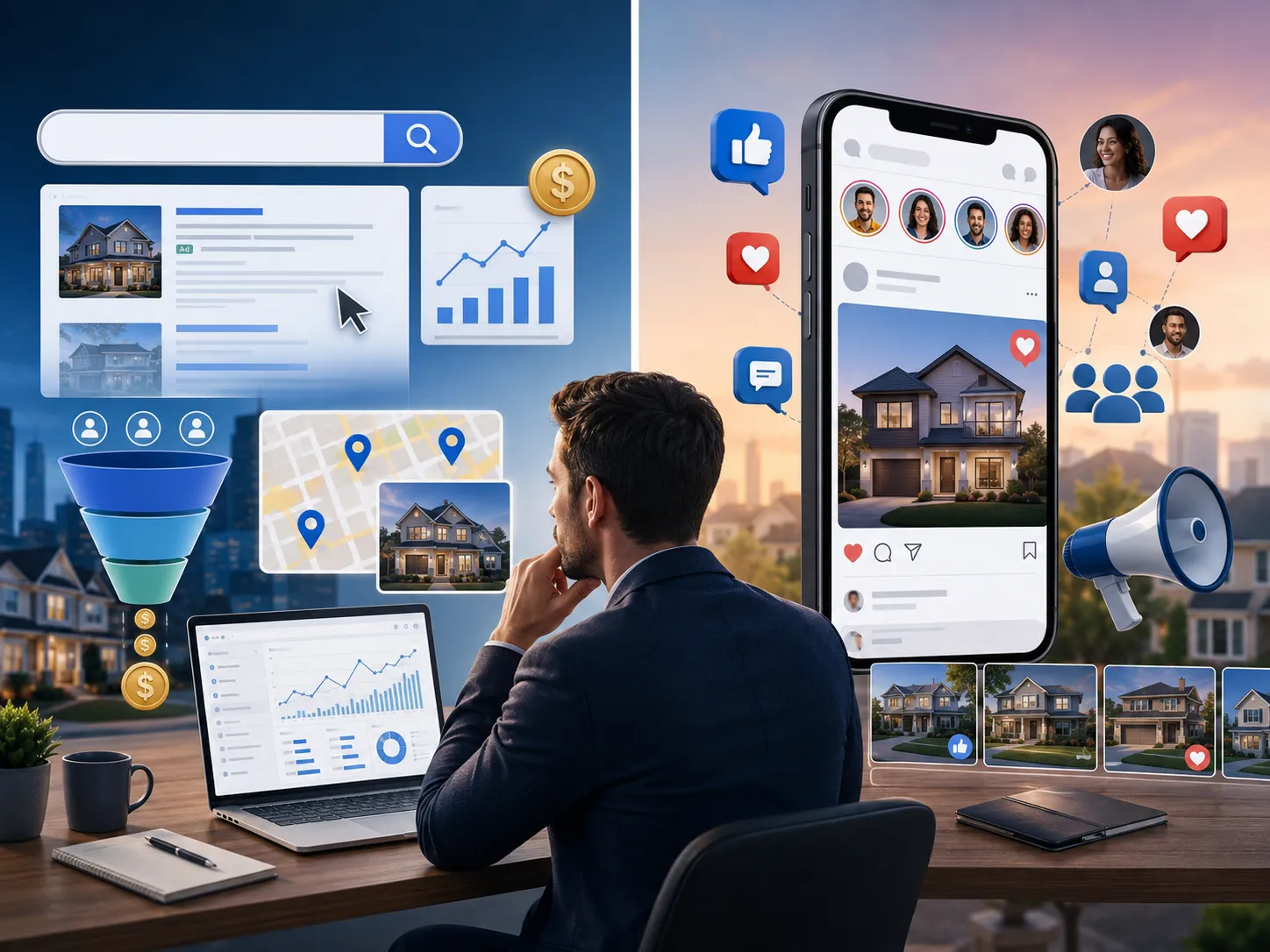
PPC is usually strongest when a homeowner is already searching for help. Social media marketing is often better for awareness, retargeting, education, and brand familiarity. For REI companies comparing real estate PPC strategies with social media campaigns, the right choice depends on lead urgency, budget, market competition, follow-up process, and how quickly appointments need to be booked.
PPC Force helps real estate investors look beyond clicks and impressions so each marketing channel is measured by qualified leads, appointments, cost per opportunity, and actual revenue potential.
The Main Difference Between PPC and Social Media for Real Estate Investors
The biggest difference is intent. PPC for real estate investors reaches people who are actively searching for answers. A homeowner who searches for a cash buyer, a fast home sale, or help with a difficult property is usually closer to taking action than someone who sees a post while scrolling through social media.
Social media marketing can still play an important role. It can introduce the investor to homeowners before they are ready to sell, keep the brand visible through retargeting, and support trust with educational content. The challenge is that social media often reaches people earlier in the decision process, which means the lead may need more nurturing before becoming an appointment.
This is why many investors use pay per click advertising for high intent lead generation and social media marketing for trust, visibility, and follow-up support.
Intent Changes Everything
PPC is usually closer to the appointment. Social media is usually closer to awareness. Both can support real estate investor marketing, but they should not be measured in exactly the same way.
Where PPC Has the Advantage
Real estate investor PPC is often the better choice when an investor needs leads quickly. Google Ads can place the investor in front of homeowners who are already searching for options. These searches may include phrases related to cash buyers, selling quickly, avoiding repairs, inherited homes, foreclosure, or distressed properties.
For investors competing in busy markets, PPC can also create visibility while SEO is still building. Organic rankings take time, especially for competitive phrases like real estate investor ppc, ppc real estate leads, google ads for real estate investors, and ppc management for real estate investors.
Search Demand
Google Ads for real estate investors can capture homeowners while they are actively looking for a solution. That makes PPC especially useful for motivated seller leads that need a fast response.
Faster Testing
PPC campaigns can test keywords, landing pages, markets, ad copy, and offer angles faster than most organic channels. That makes them useful for investors who need to learn what converts in a specific market.
PPC Still Needs a Strong Funnel
Real estate PPC management should include more than keyword bids. A strong campaign needs landing page testing, call tracking, negative keywords, conversion tracking, lead quality review, and a follow-up process that turns inquiries into appointments. This is where paid media advertising and conversion rate optimization work together.
Where Social Media Marketing Has the Advantage
Social media marketing is strongest when the investor needs more visibility and trust before the seller is ready to act. A homeowner may not be searching for a cash buyer today, but they may remember a helpful video, local post, testimonial, or retargeting ad when they start considering a sale later.
Social media can also make an REI brand feel more real. Sellers often want to know who they are dealing with before they submit their information. A consistent social presence can support credibility by showing the people, process, values, and proof behind the company.
The tradeoff is that social media leads may not always have the same urgency as PPC real estate leads. The seller might be curious, early in research, or not fully ready for an appointment. That does not make the channel weak, but it does mean the campaign needs a different message and a longer nurture path.
Social Media Builds Familiarity
Social media can support brand recall, retargeting, education, and trust. It works well when the goal is to stay visible before the homeowner is ready to search.
Google Ads, AdWords, and AdSense
Some investors still refer to Google Ads as AdWords. Google Ads is the advertising platform used to create paid search campaigns, display campaigns, YouTube campaigns, and other paid placements. When an investor talks about adwords for real estate investors, they are usually talking about Google Ads campaigns designed to generate motivated seller leads.
AdSense is different. It is a publisher program that allows website owners to display ads on their own sites. For real estate investors trying to generate ppc real estate leads, Google Ads is the relevant platform. AdSense is not the lead generation tool investors are usually looking for.
Why Google Ads Often Comes First for REI Lead Generation
For investors who need motivated seller leads for real estate investors, Google Ads is often the first paid media channel to evaluate because it connects budget to search intent. The investor can target searches related to selling quickly, cash offers, distressed seller leads, motivated seller ads, and other terms that suggest the homeowner is looking for a solution.
That does not mean every campaign will work automatically. PPC for real estate needs careful keyword selection, geographic targeting, search term cleanup, landing page alignment, and call tracking. Without those pieces, the campaign can spend money on low quality clicks that never become appointments.
A strong digital marketing strategy should clarify which keywords deserve budget, which markets should be tested first, and how paid search should work with SEO, social media, and follow-up systems.
How SEO Fits Into the PPC vs. Social Media Decision
Search engine optimization is a different type of channel, but it should be part of the same conversation. PPC can create traffic quickly. Social media can build familiarity. SEO can help an investor earn long-term visibility for searches tied to local markets, seller situations, and motivated seller questions.
Real estate investor SEO is especially useful when the investor wants to rank for topics like how to get motivated seller leads, real estate investing seo, seo for real estate investors, or city-specific cash buyer searches. The results usually take longer than PPC, but SEO can become a durable source of traffic when the site has helpful content, clear structure, and strong conversion paths.
The best approach is often not PPC instead of SEO or social media instead of PPC. A more effective plan connects search engine optimization, PPC, content, social media, landing pages, and data so each channel supports a different part of the seller journey.
SEO Supports the Long Game
SEO can help investors build authority for markets and seller situations that may become expensive to reach through paid ads alone.
When PPC Should Lead the Strategy
PPC should usually lead when the investor needs faster lead flow, wants to test a market, has a clear acquisition process, and can respond quickly to new inquiries. It is also a good fit when the company needs visibility for competitive search terms before organic rankings improve.
Real estate pay per click can be especially useful for investors who already have a strong website, clear offer, call tracking, CRM process, and appointment setting system. If those pieces are missing, PPC can still generate leads, but the cost per appointment may be higher than it needs to be.
When Social Media Should Support the Strategy
Social media should support the strategy when the investor needs more brand familiarity, retargeting, seller education, creative testing, or trust building. It can be useful for reminding past website visitors that help is available and for showing proof that the company is active in the market.
Social media marketing can also support creative concepts that are harder to communicate in a search ad. Videos, testimonials, before and after stories, founder messages, and educational posts can help the investor stay present with homeowners who are not ready to call today.
Use Data to Decide Where the Budget Should Go
The best channel is not always the one with the lowest click cost. Real estate investor marketing should be measured by lead quality, appointment rate, offer rate, contract rate, and cost per real opportunity. A cheap click that never turns into a qualified conversation is not better than a more expensive click that leads to a serious seller.
This is why tracking matters. Investors should know which campaigns create calls, which calls turn into appointments, which appointments turn into offers, and which offers turn into deals. A clean data strategy helps separate traffic that only looks active from traffic that can support actual acquisition goals.
When the data is clear, investors can make better decisions about PPC management, social media spend, SEO content, landing page improvements, and whether a market is ready to scale.
So Which Channel Is Better for REI Investors?
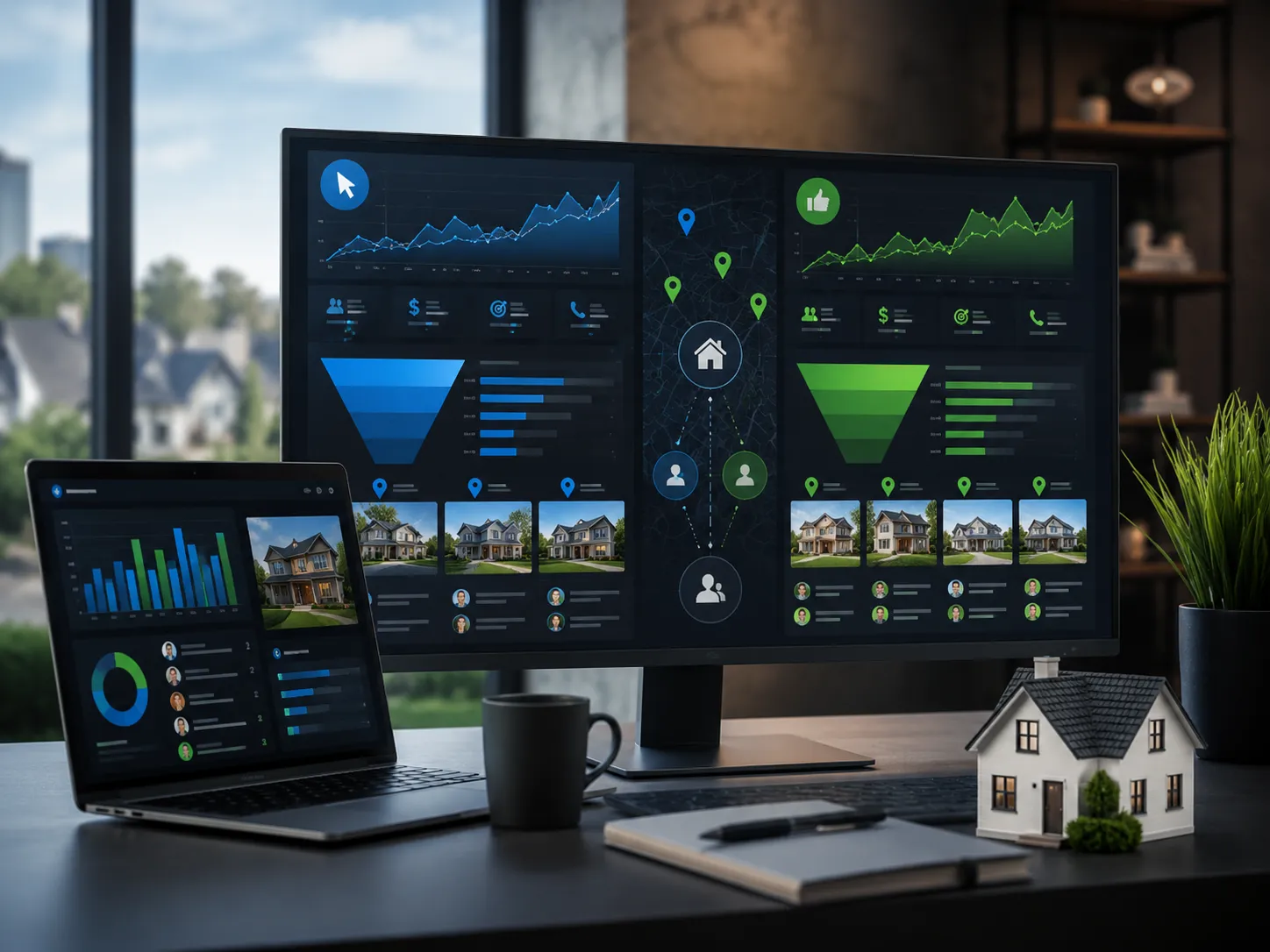
PPC is usually better when the goal is to capture active search demand and generate motivated seller leads more quickly. Social media marketing is usually better when the goal is awareness, retargeting, education, and brand trust. SEO supports both by building long-term search visibility that can reduce dependence on paid traffic over time.
The strongest plan often uses each channel for what it does best. PPC captures intent. Social media keeps the brand visible. SEO builds authority. Web design improves trust. CRO helps more visitors become leads. Data shows which campaigns are worth scaling.
Build a Channel Mix That Matches the Seller Journey
If your REI campaigns need better lead quality, stronger tracking, and a clearer path from traffic to appointments, PPC Force can help review the full marketing system.
Call 619-389-2122 or request help through #contact to build a real estate investor marketing plan that connects PPC, social media, SEO, data, and conversion strategy.