Frequently Asked Questions
TV advertising helps position your business as a legitimate, established brand. In a crowded real estate investing market, that kind of visibility can separate you from competitors who rely only on search ads, direct mail, or cold outreach. A strong TV presence can make your company feel larger, more trustworthy, and more memorable to homeowners.
TV can also reach audiences that may not spend much time online or respond to mail. That wider reach is useful for brand building, and it often creates stronger recognition when a homeowner later sees your website, ad, or postcard. For many investors, TV is not just a lead source. It is also a credibility amplifier.
TV cost per lead can vary significantly depending on the market, media buy quality, creative strength, and how recognizable the brand becomes over time. A general range is about $225 to $1,500 per lead, with a national average around $400. In many cases, the creative has a major impact on performance, which is why production quality matters so much.
Unlike some digital channels, TV often improves as campaigns mature. As more people become familiar with your brand and the media buy is refined, cost per lead can become more efficient over time.
TV lead-to-deal performance is often similar to PPC, with many investors using a benchmark of around 12 leads per deal. In some cases, TV may perform slightly better at the appointment stage because there is often less direct competition for those appointments than there is with search traffic.
That said, TV usually has a slower sales cycle than PPC. Homeowners may take longer to respond after seeing a commercial, and the path from first impression to inbound call is often less immediate. It can still be a strong channel, but it typically requires more patience than search advertising.
The math is similar to other inbound channels. A common operating benchmark is that 3 to 4 leads produce an appointment, and 2 to 3 appointments produce a deal. When you combine those numbers, it often works out to about 12 leads for each closed transaction.
Actual results depend on your market, your offer, your intake process, and your brand strength. If appointments are strong but deals are weak, the issue may be sales process. If calls are coming in but appointment rates are low, the issue may be lead handling or qualification.
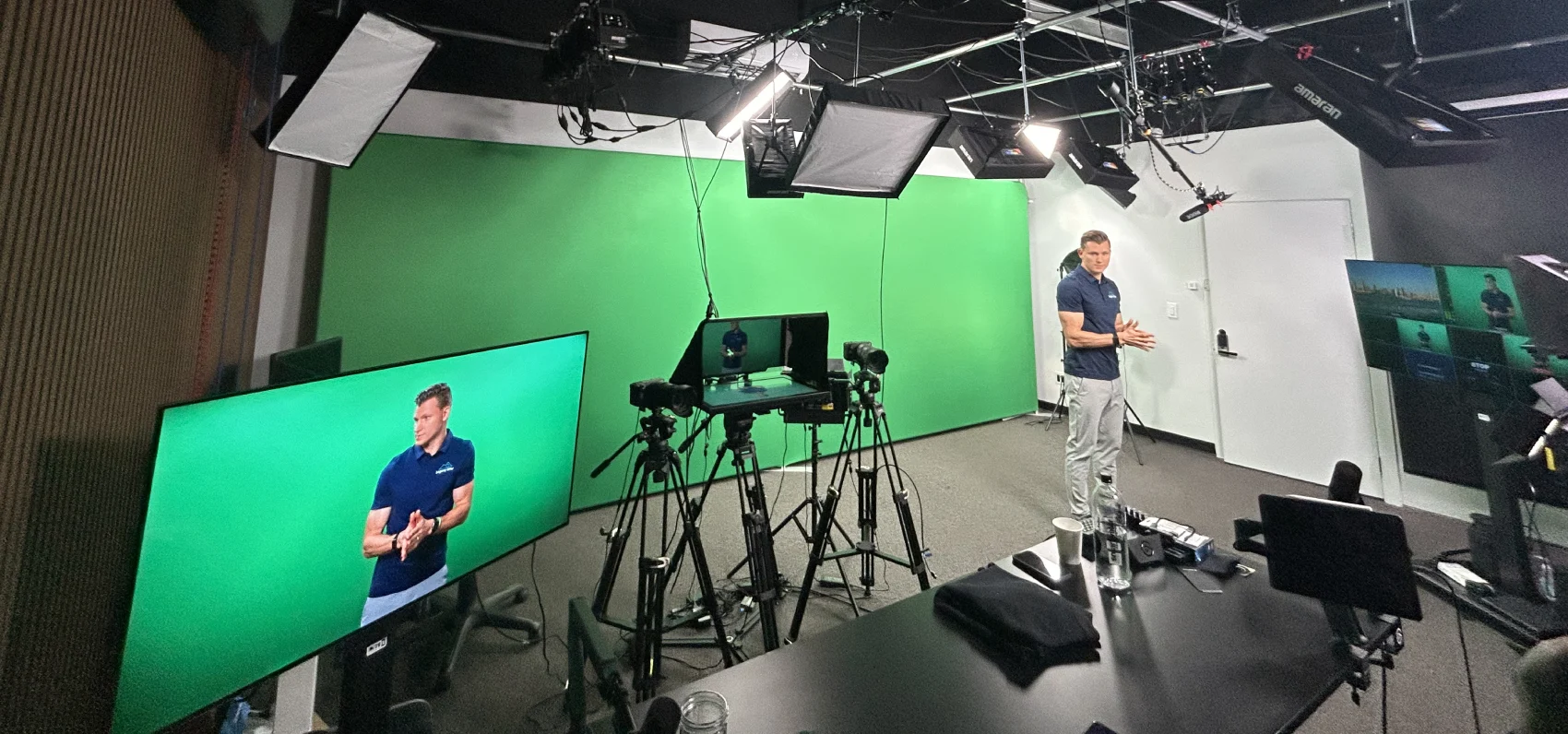
TV campaigns generally take longer to launch than PPC because they require planning, production, editing, and media placement. A typical launch timeline is around 30 days, although in some situations a campaign can be pushed live in roughly three weeks if everything moves quickly.
The timeline is driven mostly by creative development and station scheduling. Since the quality of the commercial plays a major role in response, it is usually worth taking the time to build the creative properly rather than rushing the process.
TV budgets depend largely on market size. A useful planning benchmark is around $50,000 in monthly TV spend per one million people in the population base, although actual opportunities vary depending on station mix, show selection, and campaign goals.
Some investors use TV as a major primary channel, while others use it more selectively to build brand awareness and support their broader marketing mix. The right spend level depends on your geography, your growth goals, and how TV fits alongside other channels like PPC, SEO, and direct mail.
Lead volume depends on spend and cost per lead. Using an average of around $400 per lead, an $8,000 budget may generate about 20 leads per month, while a $16,000 budget could generate around 40. These are planning estimates, not guarantees, because TV performance depends heavily on creative, media buying quality, and brand familiarity.
It is also common for TV cost per lead to start higher and improve over time. As the campaign is optimized and more homeowners recognize your brand, efficiency often gets better in later months than in the initial launch phase.
Yes. TV campaigns can be targeted by geography, time of day, and day of week, which allows you to build a schedule around when your audience is most likely to respond. In many cases, daytime and early evening windows can perform well for real estate investing because that is when homeowners are more likely to see and respond to direct response creative.
A thoughtful schedule can help improve call quality and reduce wasted impressions. It also allows the campaign to align more closely with your team’s ability to answer calls and handle follow-up effectively.
TV is more complex than it may appear from the outside. Performance depends on media buying skill, station relationships, audience selection, scheduling strategy, creative quality, and accurate response tracking. Even small inefficiencies in how media is purchased can make a major difference in overall cost and results.
Professional management also helps connect TV performance to the rest of your marketing ecosystem. Since TV often influences branded search, direct traffic, and call volume across channels, it is important to evaluate it in a broader strategic context instead of as a standalone buy.
A strong TV campaign combines compelling creative, disciplined media buying, and consistent tracking. The message needs to build trust quickly, communicate a clear offer, and make the brand memorable. The media plan must then place that message in front of the right audience at the right times.
TV also works best when it is not treated in isolation. When paired with PPC, direct mail, and strong branding, TV can strengthen the entire marketing system by increasing familiarity and helping more homeowners respond across multiple channels.
Dominating TV with PPC Force
At PPC Force, we bring years of experience and a track record of success to every TV campaign we undertake. Our team’s expertise spans industries, and we’re committed to creating work that elevates your brand and delivers measurable results. Whether you’re aiming for nationwide exposure or targeting a local audience, we have the tools, talent, and strategy to achieve your goals. Contact us today to explore the possibilities of TV advertising with PPC Force.